
Celebrating 79 Years of Protecting Child Rights & Shaping a Better Future
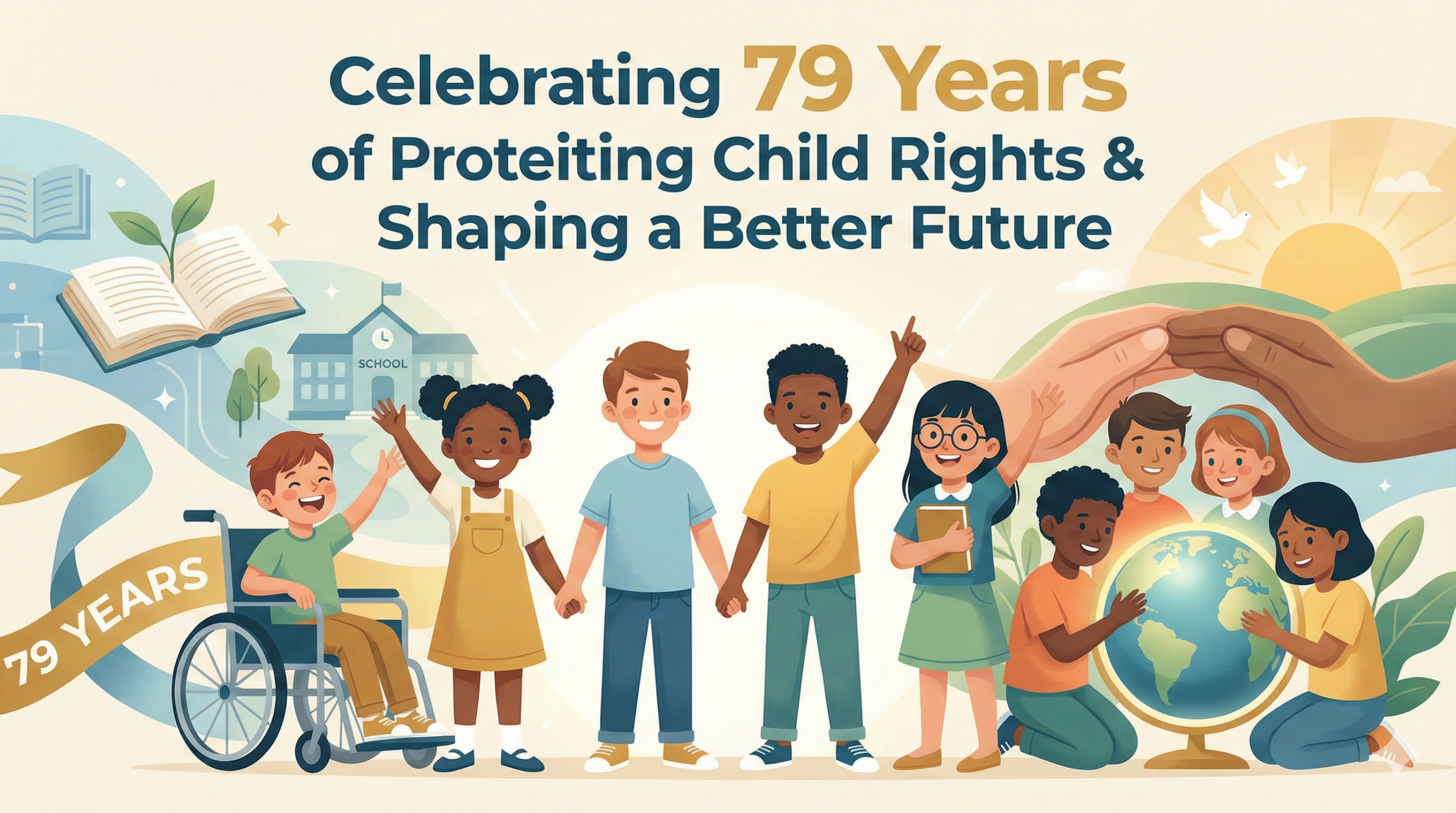
For nearly eight decades, the world has moved step by step toward building a safer, kinder, and more
empowering environment for children. Today, as we celebrate 79 years of protecting child rights,
we’re not just looking back at history—we’re honoring every effort, every voice, and every movement
that helped shape a better future for millions of children.
This journey belongs to all of us: parents, teachers, communities, governments, and organizations
working tirelessly to ensure that every child grows up safe, respected, and free to dream.
Understanding Child Rights: Why They Matter
Children aren’t just small adults—they have their own set of rights, needs, and vulnerabilities. Child rights ensure that every child receives:
India witnessed major secessionist movements:
- Protection from abuse and exploitation
- Access to education and health
- The right to identity, dignity, and participation
- A safe and nurturing environment
These rights are supported by global frameworks like the United Nations Convention on the Rights of the Child (UNCRC) and national child protection laws around the world.
In simple terms, child rights exist so that children can grow, learn, explore, and become their best selves without fear.
A 79-Year Journey: Major Milestones in Child Rights Protection
1. The Early Days: Laying the Groundwork
In the years following World War II, the world united to protect its most vulnerable citizens—children. Early declarations set the foundation for children’s safety, welfare, and education, driving the global movement for child rights.
2. Decades of Progress
Over the past 79 years, several milestones reshaped child protection:
- Strengthening child labor laws
- Building global school enrollment initiatives
- Launching national child protection systems
- Expanding access to nutrition and healthcare
- Running widespread awareness campaigns
Each achievement pushed the world closer to ensuring that no child is left behind.
3. India’s Role in Protecting Child Rights
India has played a significant part in this journey. Policies like the Right to Education Act, POCSO Act, and Juvenile Justice Care & Protection Act have strengthened child safety.
Initiatives like:
- Child Helpline 1098
- State Child Rights Commissions
- District-level Child Protection Units
…have helped protect lakhs of children from abuse, trafficking, neglect, and exploitation.
India’s continuous awareness drives—such as Good Touch/Bad Touch programs, school protection workshops, and nationwide campaigns—have made communities more informed and vigilant than ever before.
The Role of NGOs & Global Agencies in Shaping the Future
Non-governmental organisations around the world have been the backbone of child protection. Their work ranges from local awareness sessions to large-scale rescue operations.
How NGOs Make a Difference
- Conducting child safety training for parents and teachers
- Rescuing children from child labour and trafficking
- Running rehabilitation and counseling programs
- Launching digital safety awareness campaigns
- Supporting underprivileged children with education and health services
These organisations reach places where systems often fall short—and that’s what makes their contribution priceless.
Why Communities Matter
Child protection is not just an institutional responsibility—it’s a community responsibility.
Small actions create massive impact:
- Schools teaching self-protection and boundaries
- Parents educating children about good and bad touch
- Community groups reporting suspicious activities
- Youth volunteers raising awareness on social media
When a community stays alert, a child stays safe.
Powerful Awareness Campaigns That Made a Difference
Several awareness campaigns have transformed how we look at child rights and safety. Some of the most impactful include:
- Good Touch–Bad Touch Programs in schools
- Child Labour Awareness Drives
- Digital Safety Workshops teaching kids to stay safe online
- Child Rights Protection Week Celebrations
- Community-based Helpline Awareness (1098)
These programs don’t just spread information—they empower children, parents, and teachers to act at the right time.
Current Challenges in Child Rights (2025 Reality Check)
Even with years of progress, challenges remain:
- Rise in online exploitation and cyberbullying
- Poverty-driven child labour in many regions
- Lack of awareness in rural pockets
- Emotional abuse that often goes unnoticed
- Inadequate implementation of existing laws
The world must address these issues head-on to create meaningful and lasting change.
5.4 Long Detention Without Charge Sheet
How We Can Build a Better Future for Every Child
Creating a world where every child feels protected is not complicated—it begins with small, consistent steps.
1. Strengthen Child Protection Laws
Governments and communities must work together to:
- Improve reporting mechanisms
- Train teachers, police, and social workers
- Speed up child abuse case handling
2. Empower Through Education
Education is one of the strongest tools to break cycles of abuse, poverty, and exploitation. It builds confidence, awareness, and independence.
3. Encourage Community Participation
A child grows in a community—not just at home or school.
So when a community acts together…
children thrive together.
Workshops, parental groups, school events, and youth participation can all help build stronger protective environments.
Practical Tips for Parents, Teachers & Communities
Here are simple but powerful steps everyone can take:
✔ Teach Children About Personal Safety
Use age-appropriate language to explain boundaries, good touch–bad touch, and safe behavior.
✔ Recognize Signs of Abuse
Withdrawing from activities, fearfulness, unexplained injuries, or sudden drop in performance can indicate distress.
✔ Encourage Open Communication
Children who feel heard are more likely to report wrong behavior.
✔ Ensure Digital Safety
Guide children on:
- Safe browsing
- Avoiding strangers online
- Not sharing personal details
- Reporting inappropriate content
✔ Report Immediately
If you notice abuse or neglect, call Child Helpline 1098.
Inspiring Stories & Real-Life Impacts
Across India and around the world, countless children have been protected, educated, rescued, and rehabilitated thanks to strong child rights movements.
From children saved from labor and trafficking…
to teens empowered through awareness workshops…
to talented kids honoured during Child Protection Weeks…
Every story is a reminder that change is real and ongoing.
These stories show us that when systems, communities, and individuals come together, miracles happen.
79 Years Completed, The Mission Continues
Seventy-nine years of progress is a milestone to celebrate but the journey continues. Protecting child rights is not a one-day job. It is a commitment we must uphold every single day. When we protect children today, We shape the world of tomorrow. A future where every child is educated… every child is safe… every child is valued… and every child is free to dream. The mission continues—and together, with dedicated communities, educators, and platforms like EaseMyPrep, , we can build a future where every child grows up in safety, dignity, and hope. To learn more, explore helpful study material, and stay updated with educational resources, download the EaseMyPrep App today.